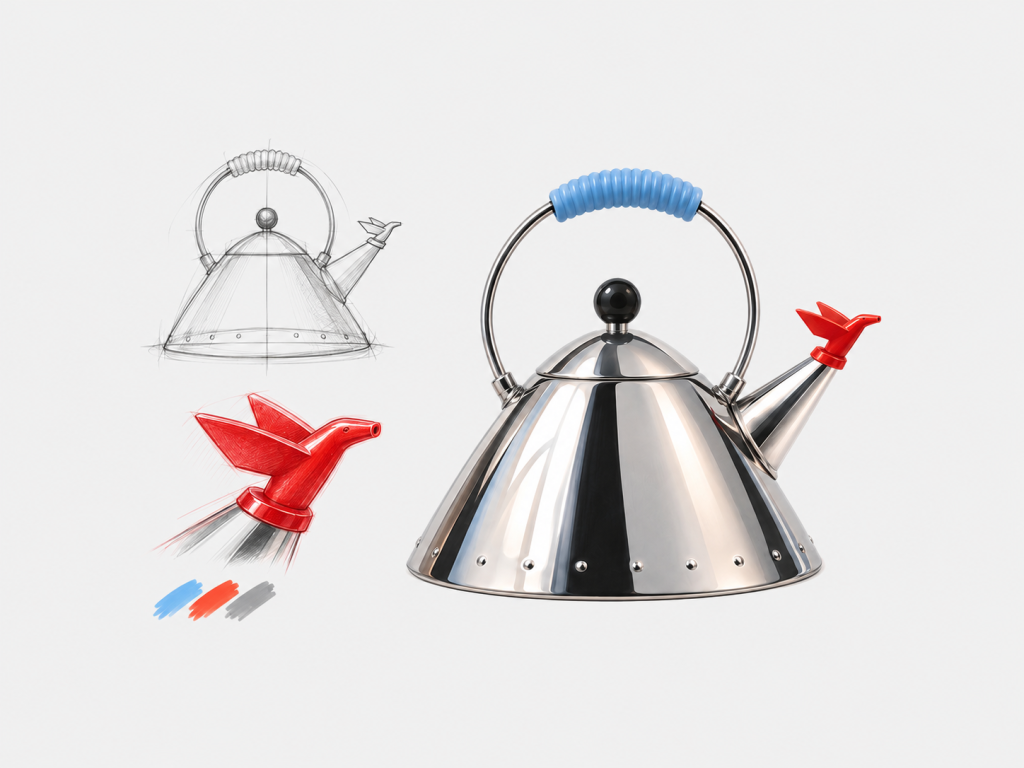
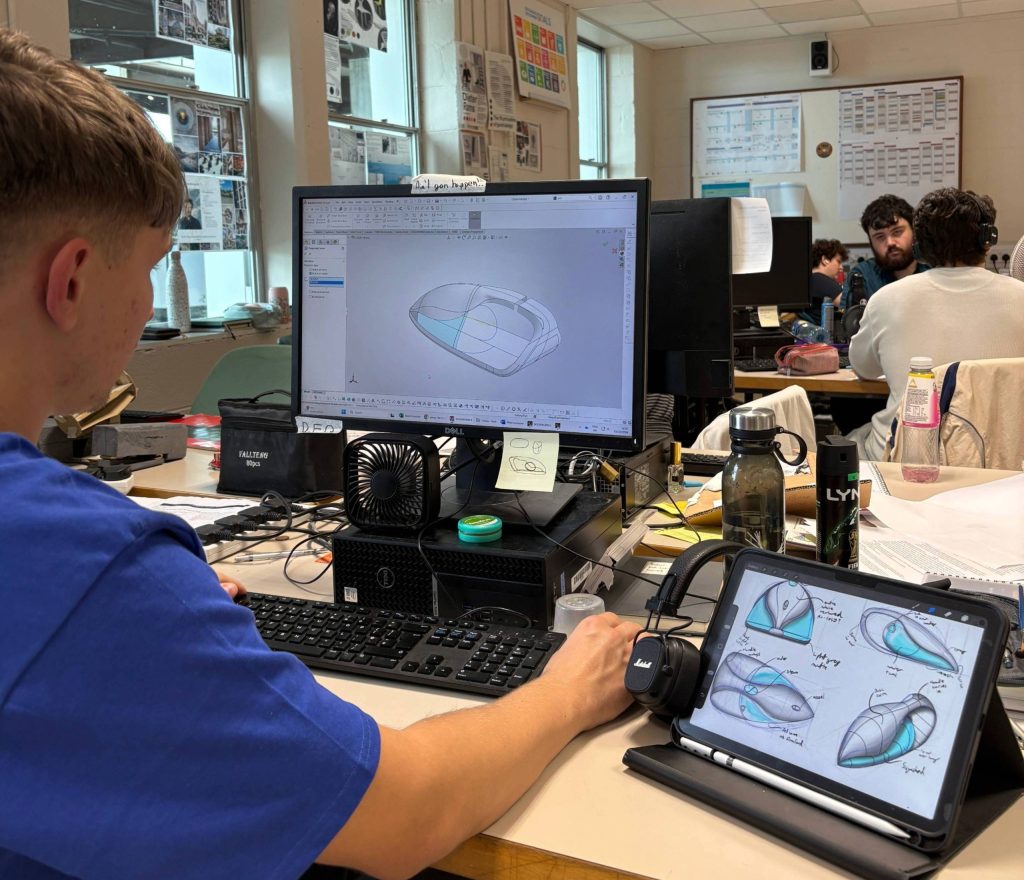
AI is changing how designers work. It can help us research, explore ideas, visualise possibilities, analyse information and develop concepts more quickly. At SETU Product Design, we see AI as another tool for designers to learn, use and question.
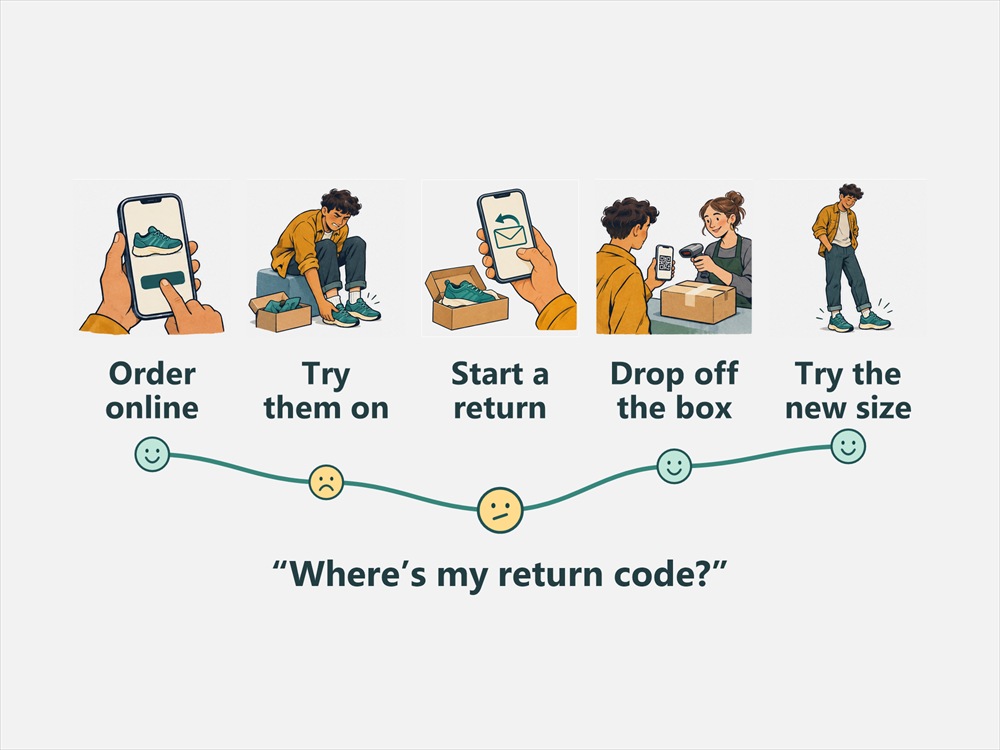
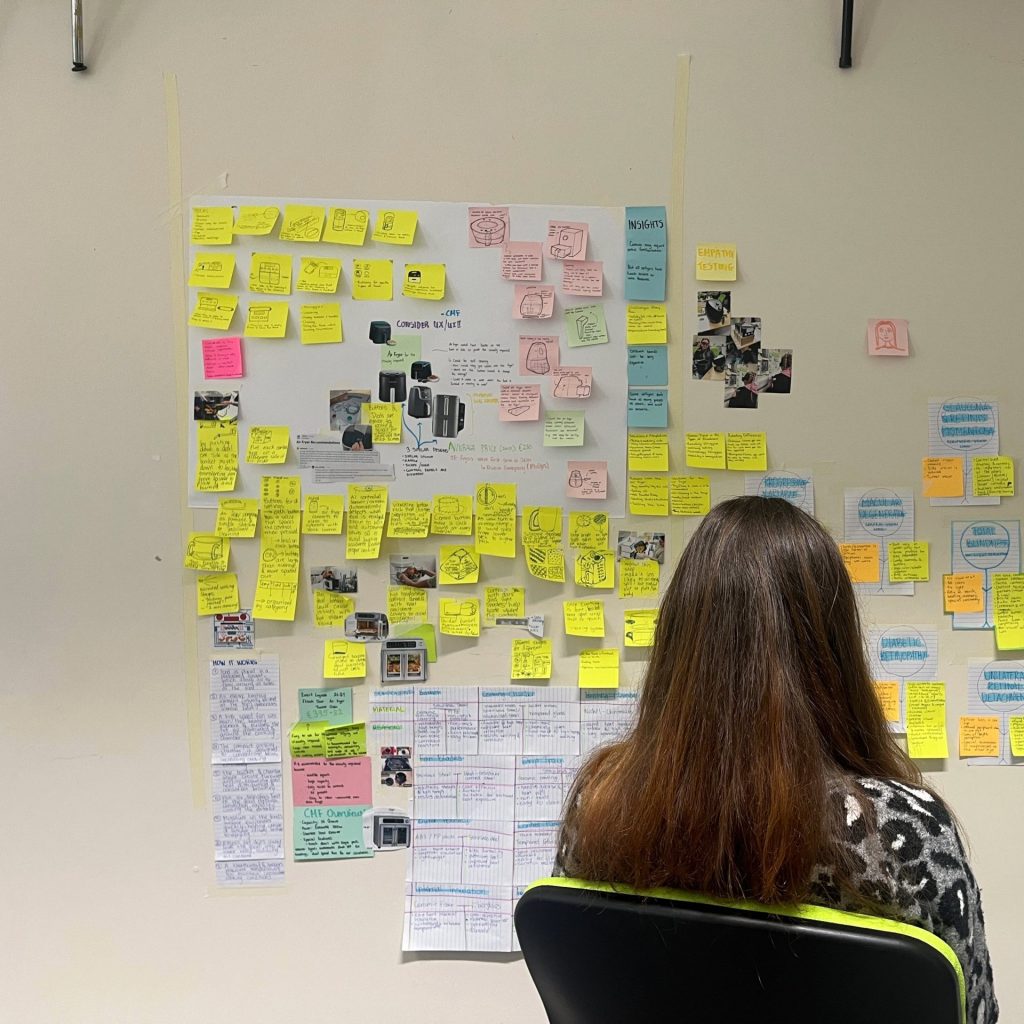
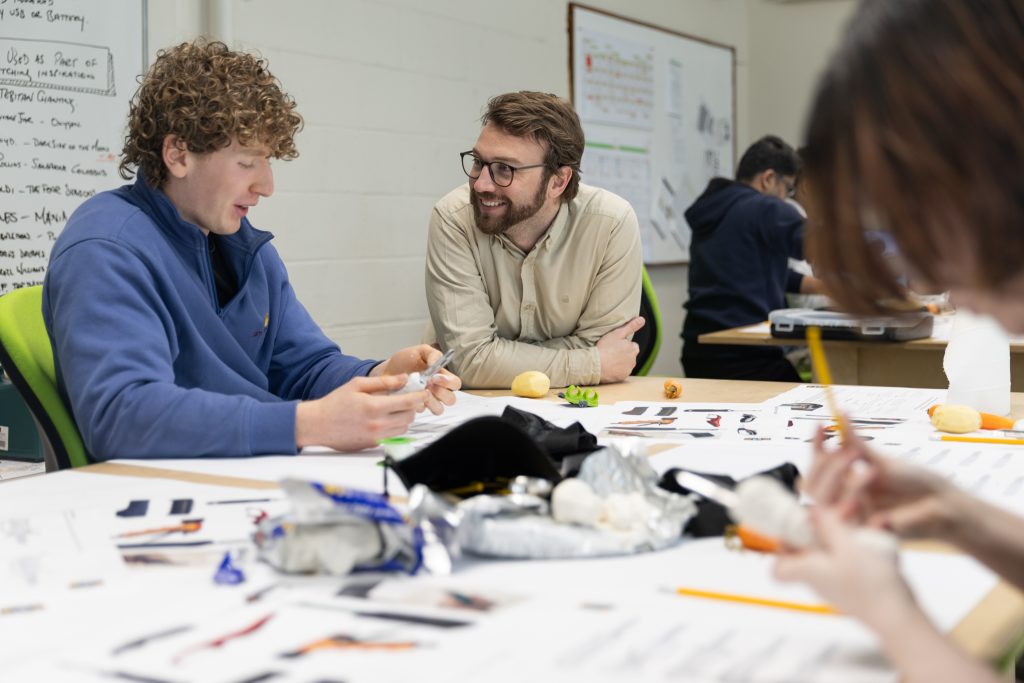
But good design does not start with a tool. It starts with people and problems. Designers need to understand who they are designing for, what people actually need and why a problem exists. That means talking to people, observing what they do, asking questions and working with them throughout the design process.
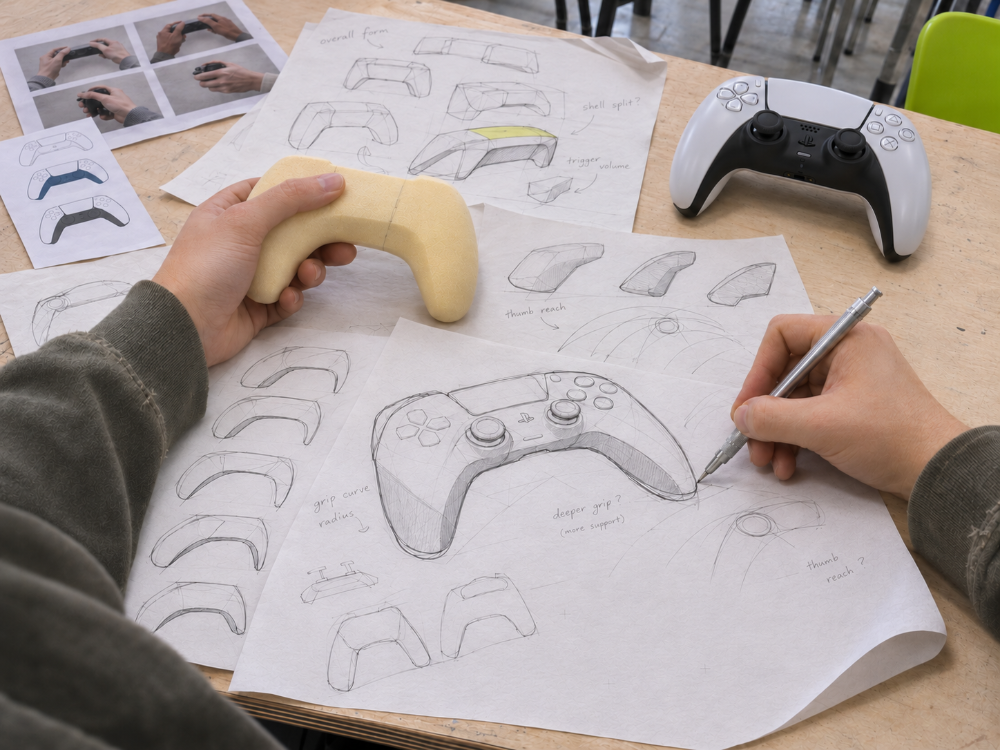
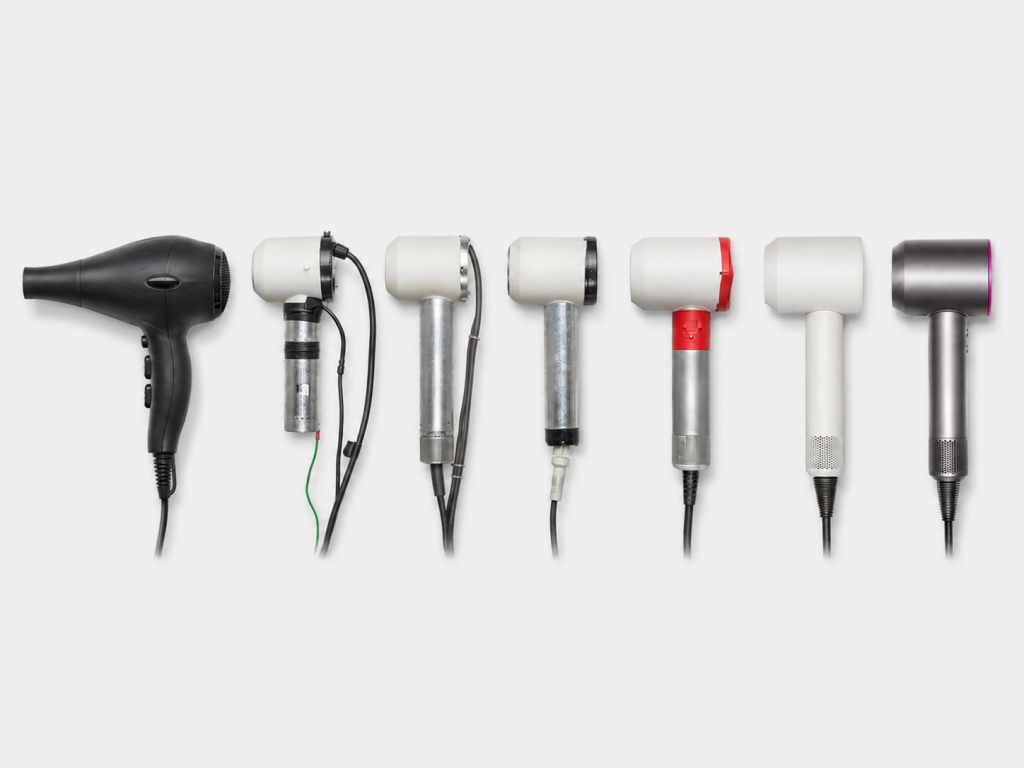
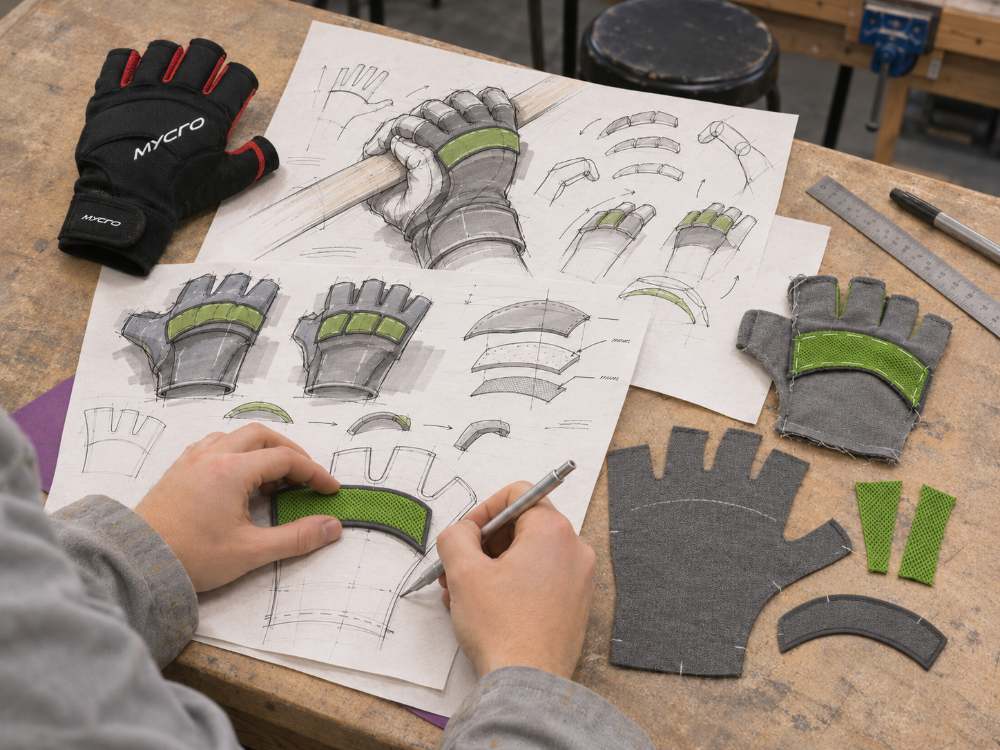
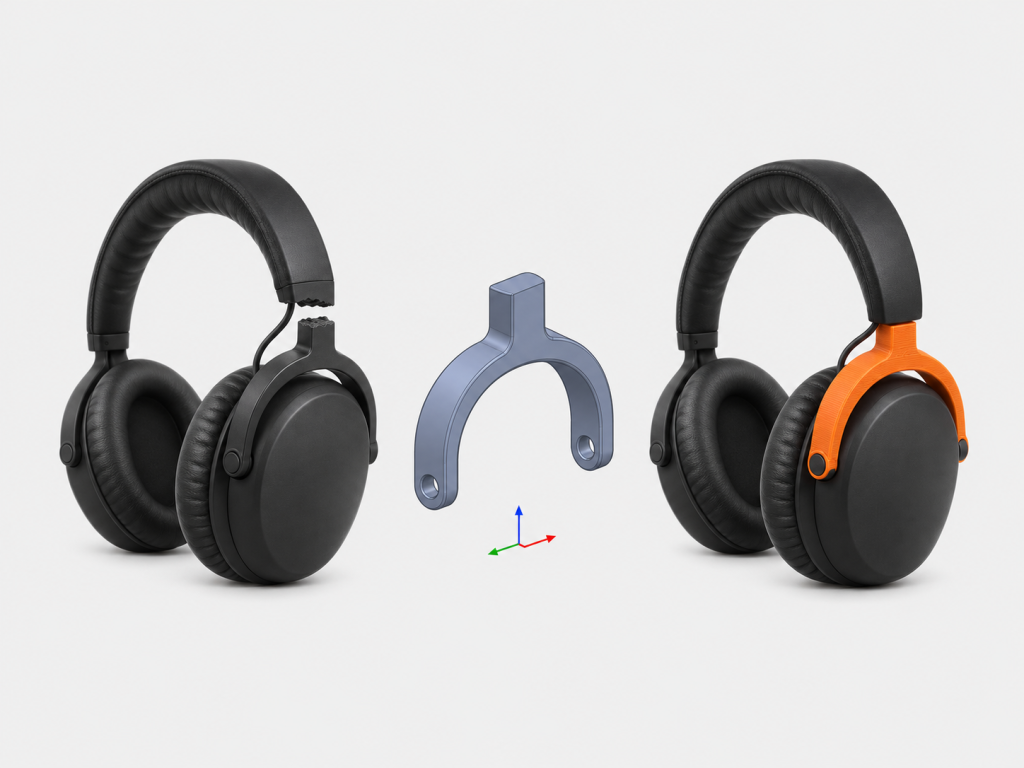
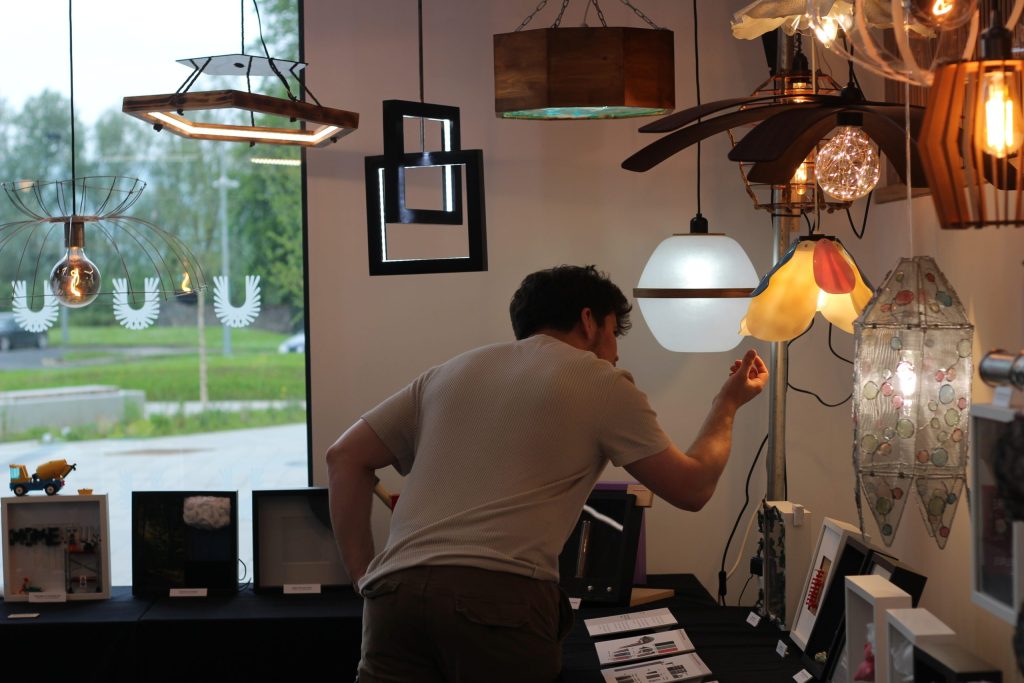
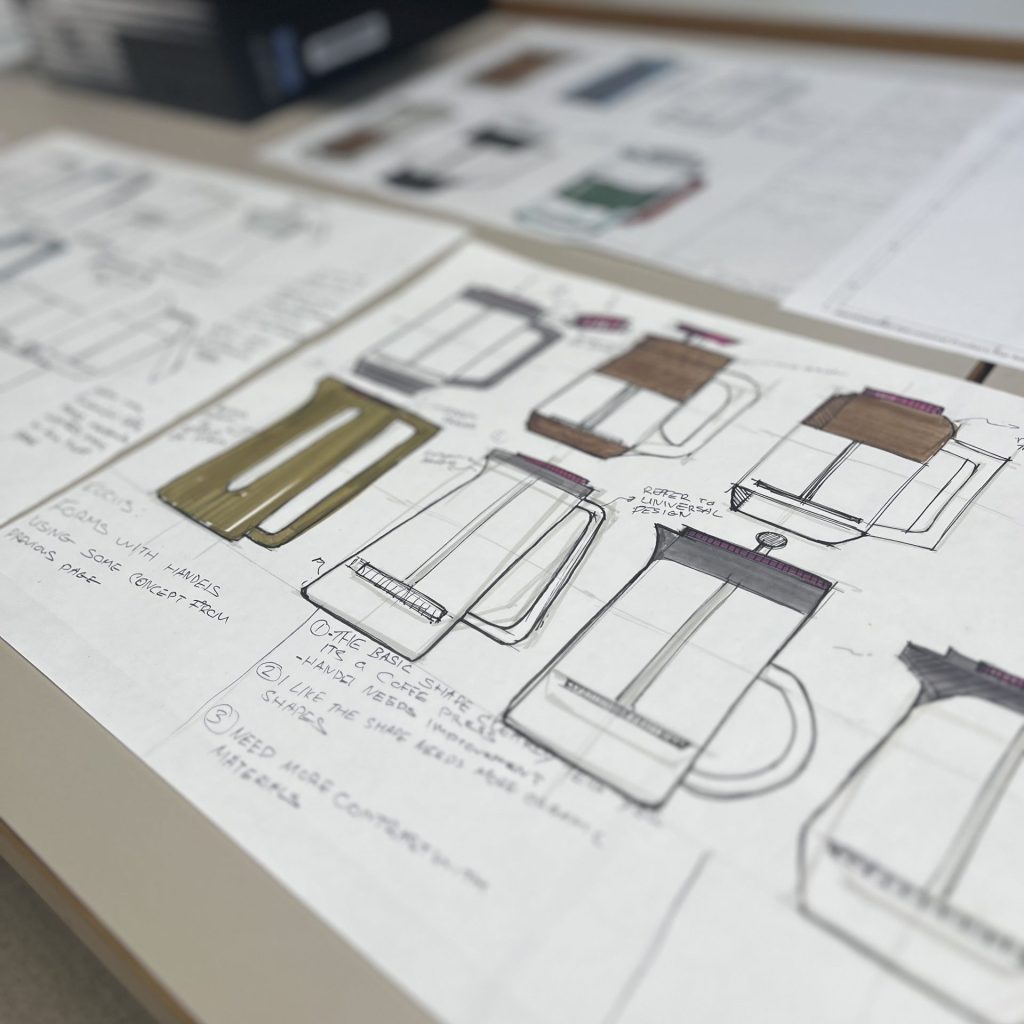
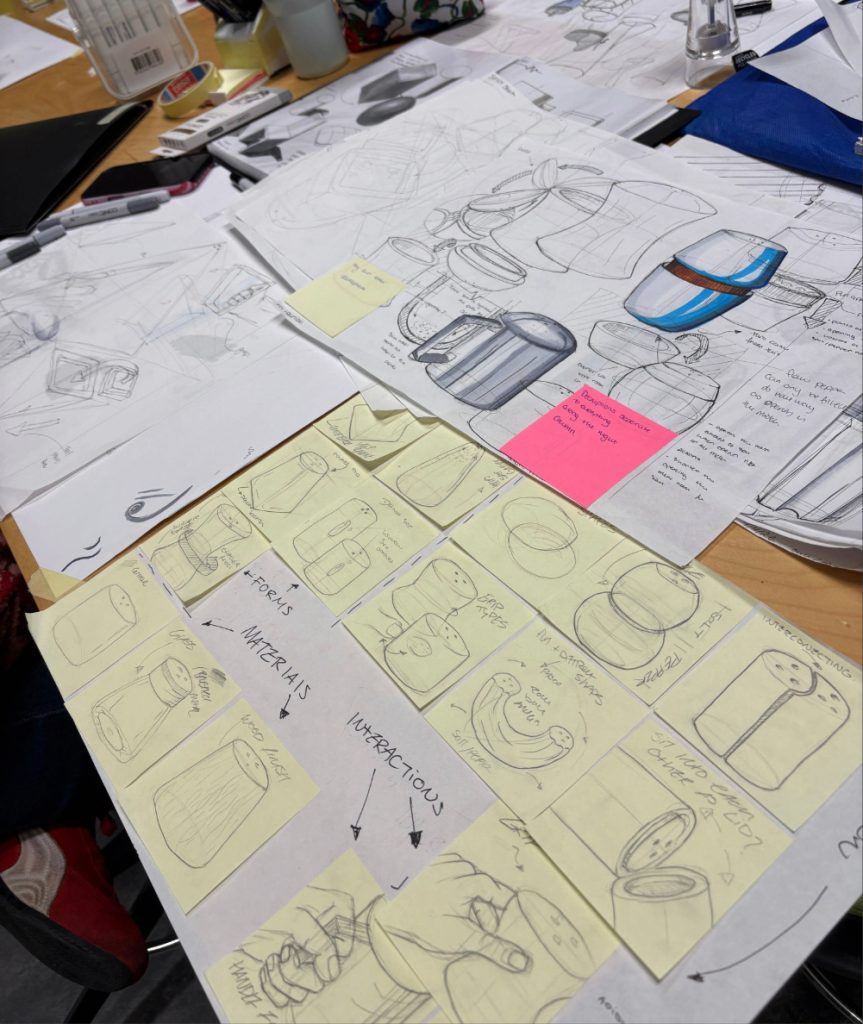
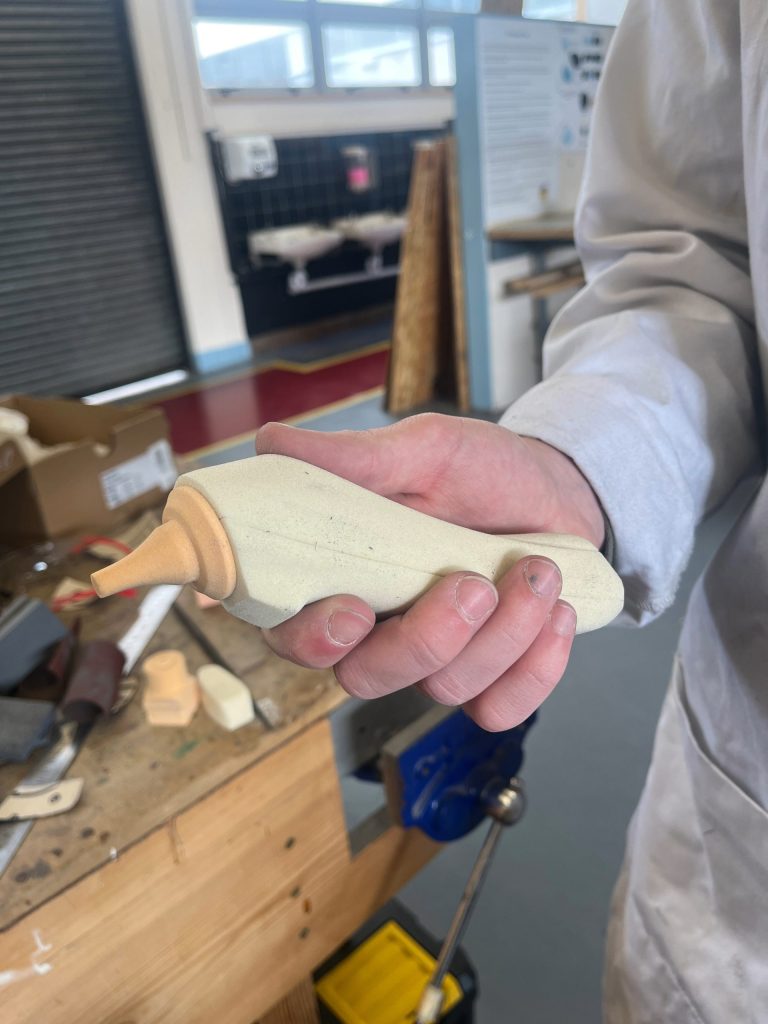
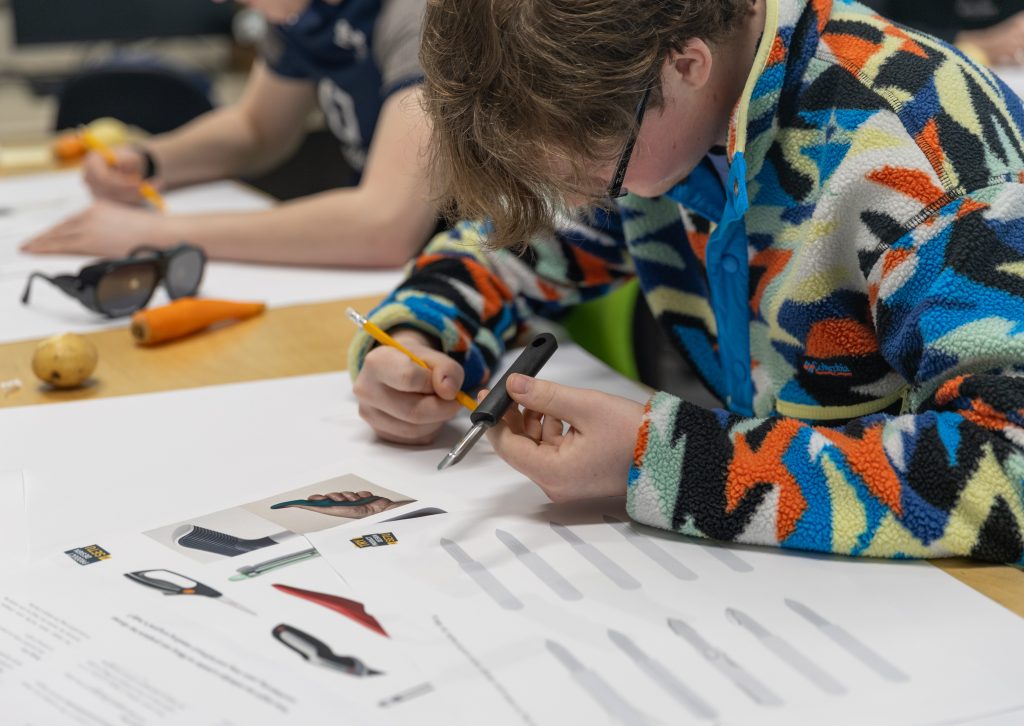
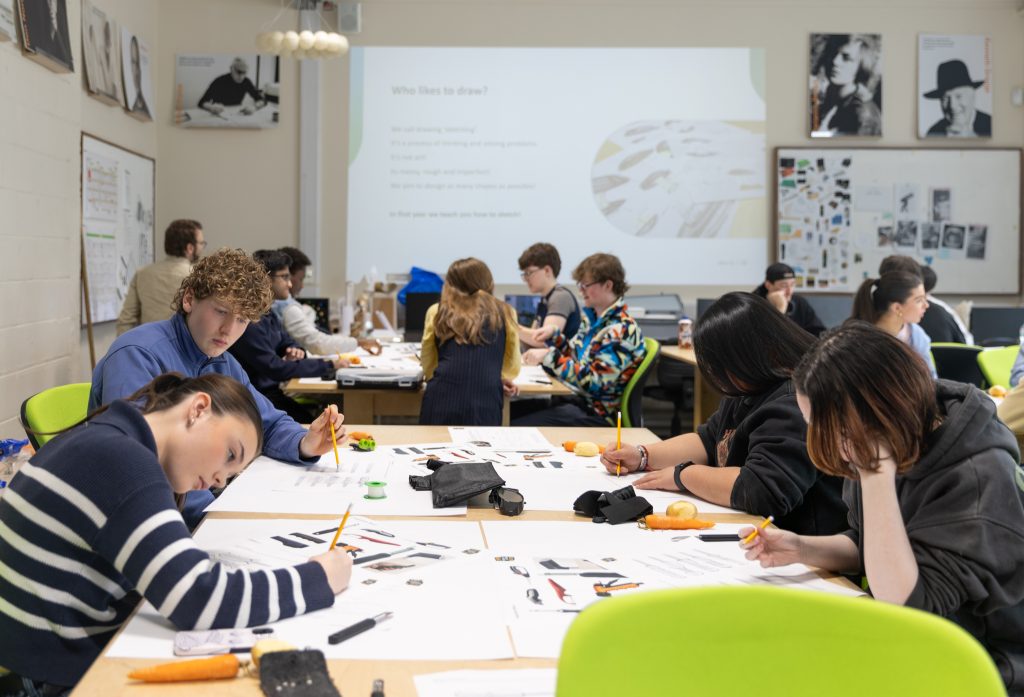
Then ideas have to leave the screen. Designers sketch, model, make and prototype. They test products with people, learn what works and what does not, and improve the design. An AI-generated image or CAD model might look convincing, but it cannot tell you everything about whether a product is comfortable, safe, manufacturable or useful in the real world. Physical prototyping and testing help us discover things we cannot always understand on a screen.
The skills designers need will keep changing. The World Economic Forum estimates that 39% of workers’ existing skill sets will be transformed or become outdated by 2030. AI and big data are among the fastest-growing skill areas, but creative thinking, analytical thinking, curiosity, adaptability and lifelong learning are also becoming increasingly important (World Economic Forum, 2025). The same research found that many skills involving physical activity, judgement and human interaction currently have low potential for substitution by Generative AI (World Economic Forum, 2025).
This matters for Product Design. Ireland’s Design 2035: Pathways to the Future describes a profession becoming more strategic as AI and other technologies develop, while continuing to value human understanding, judgement and collaboration (Institute of Designers in Ireland, 2026). Designers will increasingly work with people from different disciplines and backgrounds to tackle problems that cannot be solved by one person or one technology alone. The Design Council makes a similar point, describing design as moving from understanding people’s needs and identifying opportunities through to developing, delivering and improving real-world solutions (Design Council, 2026).
So, we are not preparing students to compete with AI. We are preparing designers who know how to work with it — and who know when to step away from it.
The tools will change. What matters is learning how to understand people, ask good questions, think creatively, make ideas tangible, test them in the real world and keep learning as technology changes.
–
References
Design Council UK (2026) Design Economy 2026: Driving Good Growth across the UK. London: Design Council.
Institute of Designers in Ireland (2026) Design 2035: Pathways to the Future. Dublin: Institute of Designers in Ireland.
World Economic Forum (2025) The Future of Jobs Report 2025. Geneva: World Economic Forum.