Study Product Design at SETU Carlow

What will
you design?

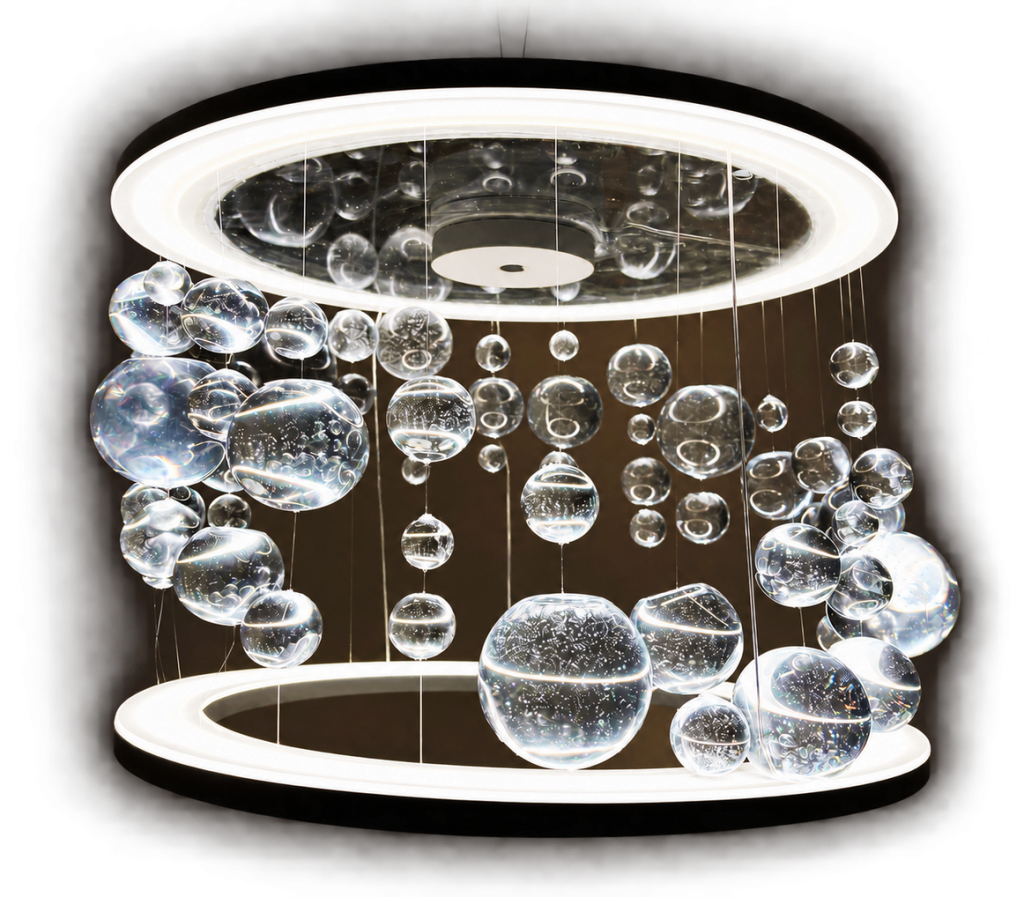
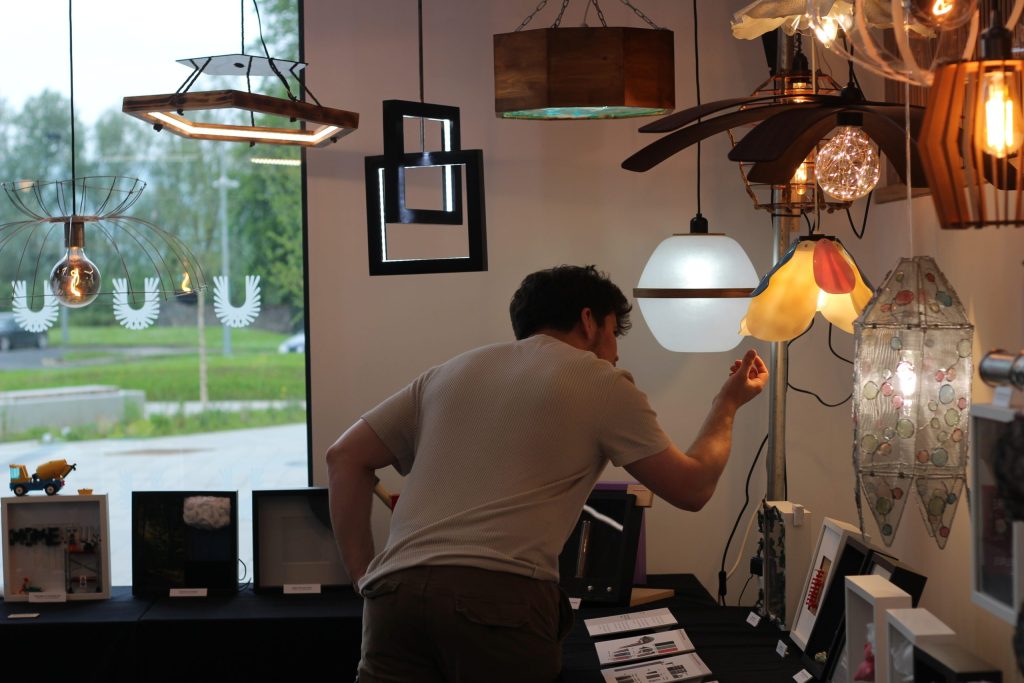
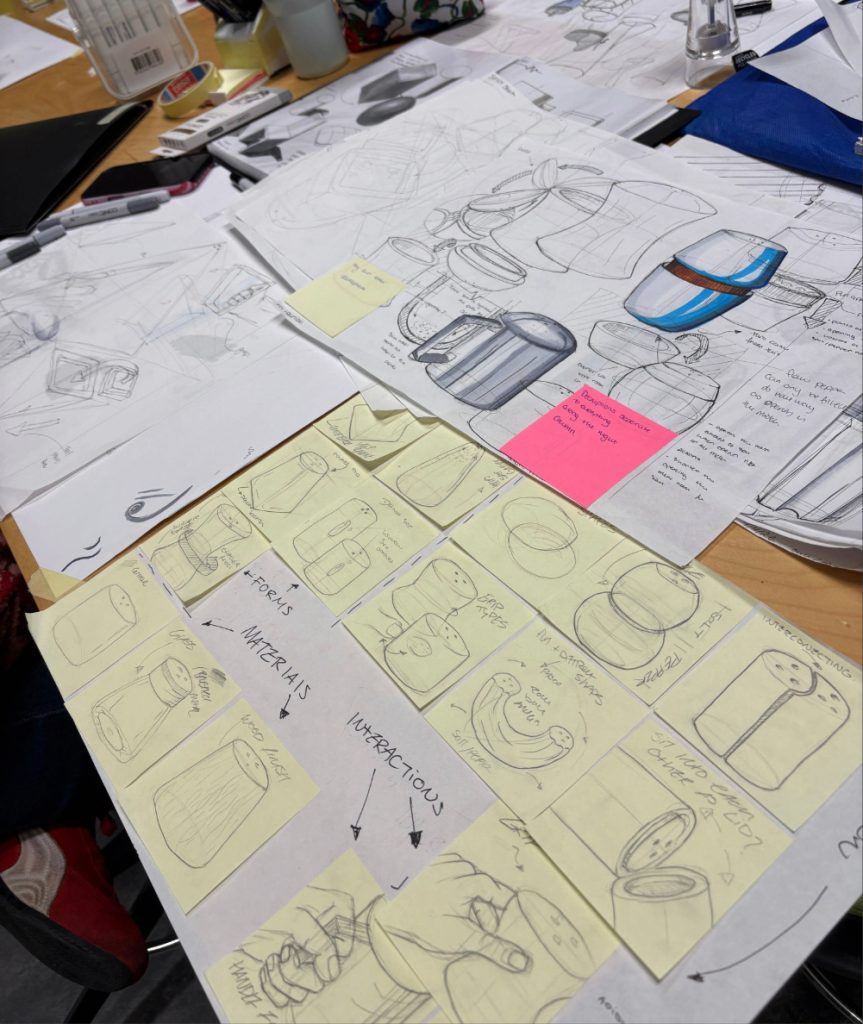
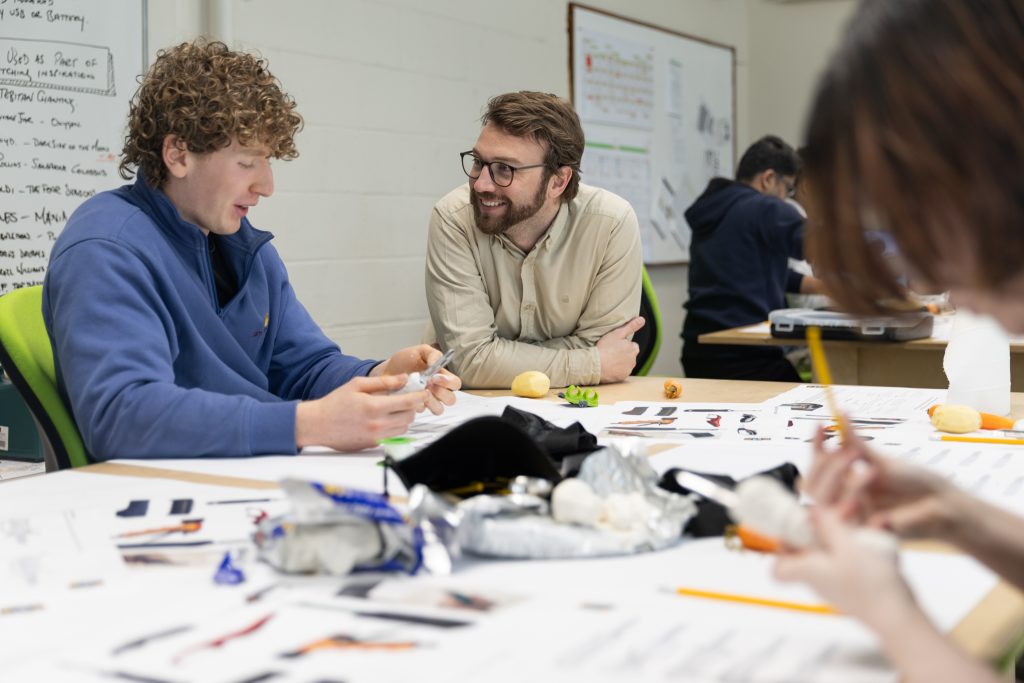
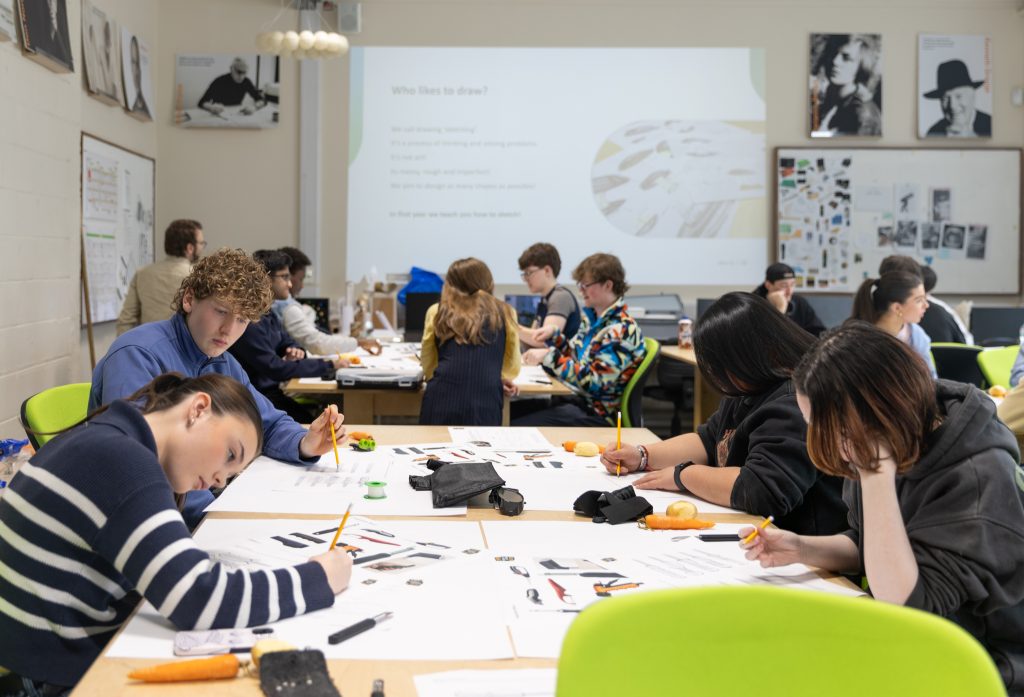
From your first sketches to your own working light, Year 1 is about turning ideas into products. You’ll build your confidence through proejct which focus on sketching, graphic design, modelmaking, digital modeling and hands-on problem solving.

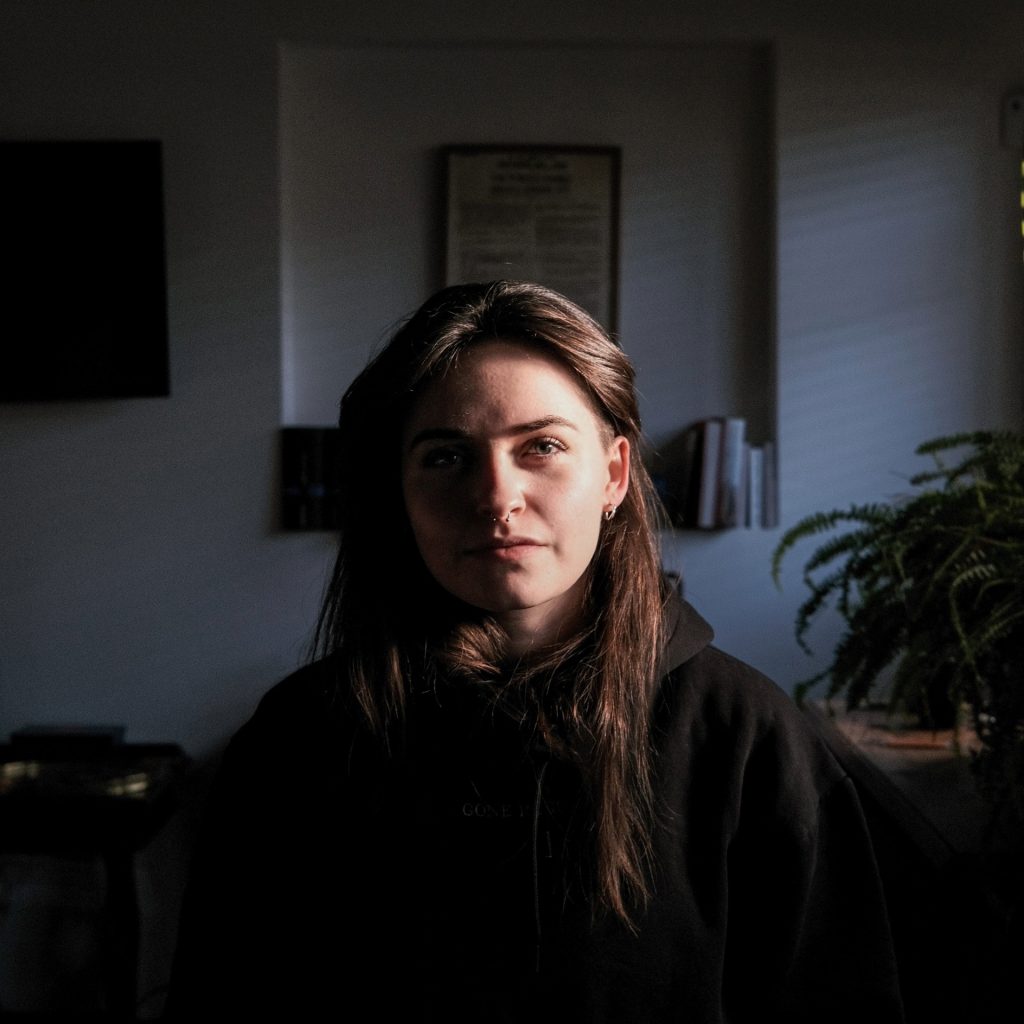
Lisa Polytska · First Year Light Design

Solving problems & understanding people

What is product design?

Product designers shape how everyday things look, feel and work. They start by understanding the people who use them. These familiar objects show the kinds of questions you’ll explore in the studio at SETU.

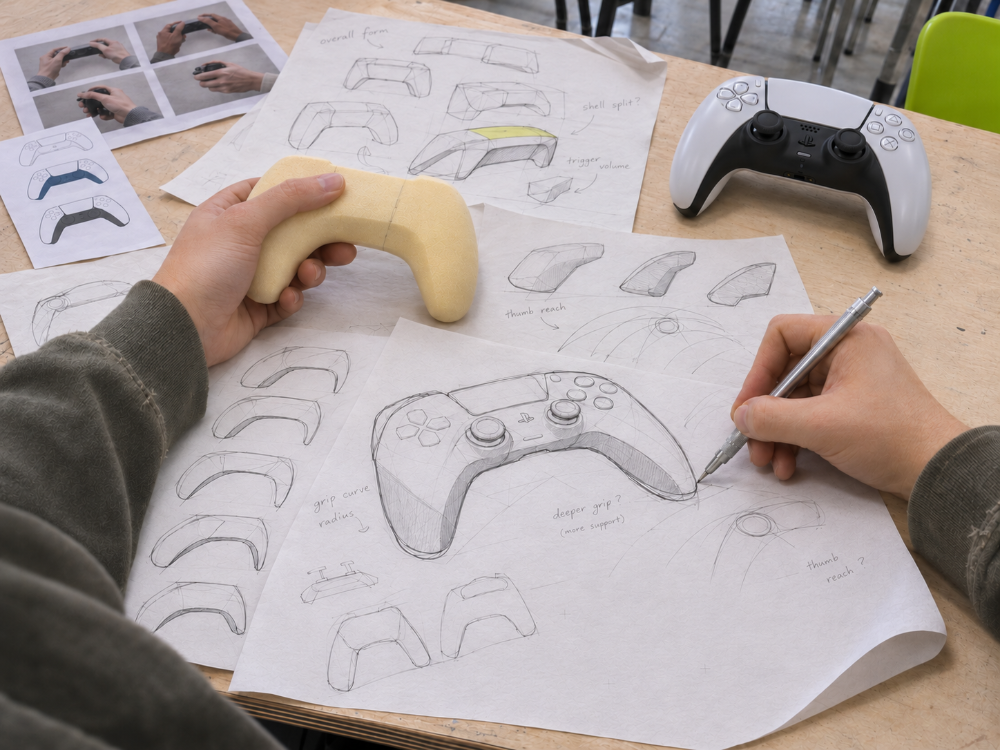
What makes a controller feel right in your hands?

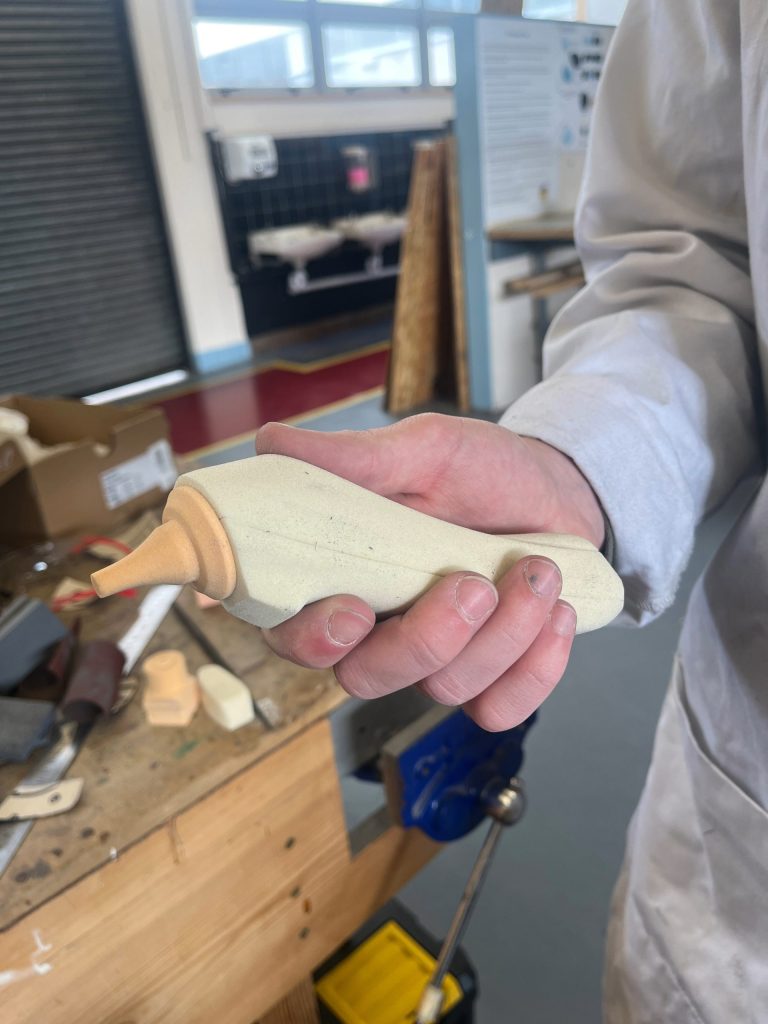
Pick up a PlayStation controller and notice where your thumbs land. Would the same grip suit someone with smaller hands? A designer can sketch two shapes, carve them in foam and ask people to try both. At SETU, you learn to make models you can hold and compare. That’s how you explore ergonomics.

Shape a grip in foam and test how it feels in different hands

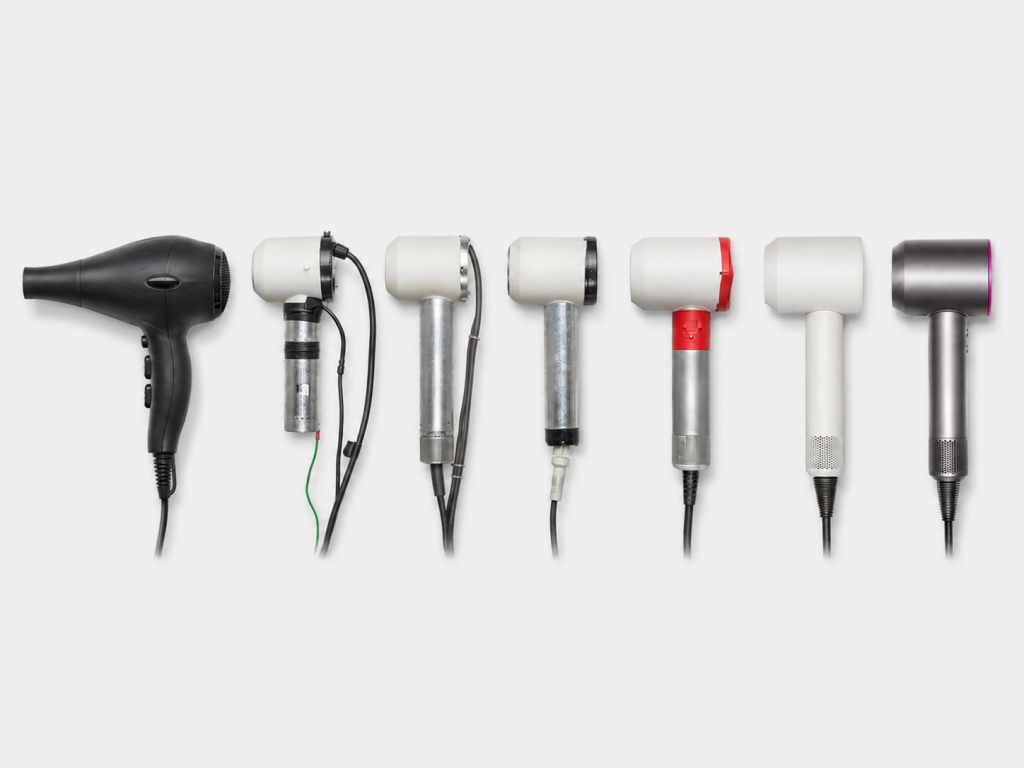
Why build another version of a hair dryer?

Where you put the motor changes how a hair dryer feels in your hand. Dyson placed a compact motor in the handle of the Supersonic and built 600 prototypes during its development. In the studio, you learn to use a prototype to answer a question. Make one version, test how it balances, then use what you learn to build the next.

Build prototypes to answer a question, then use what you learn in the next version

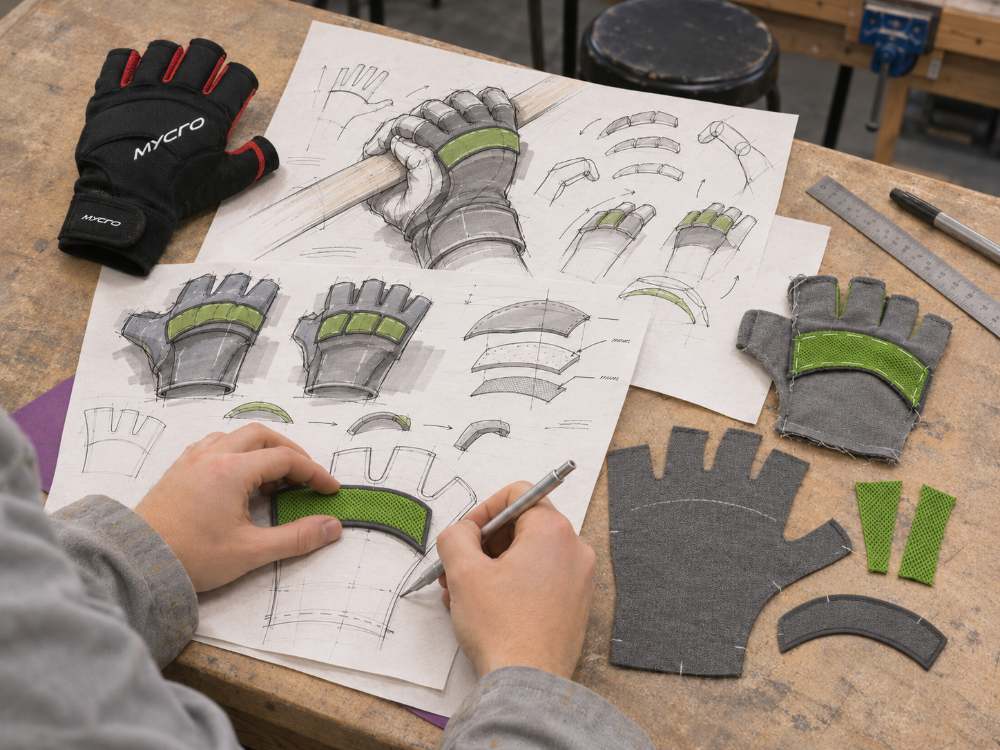
How do you protect a hurler’s knuckles and still let their fingers bend?

Watch a player open their hand to catch the ball, then close it around the hurley. The glove needs to allow both movements. Could splitting the padding into smaller sections help? Sketch the idea, stitch a sample and let a player try it. Where the fabric pulls tells you what to change. That’s problem solving.

Problem solving is about understanding people and working with them to create a solution

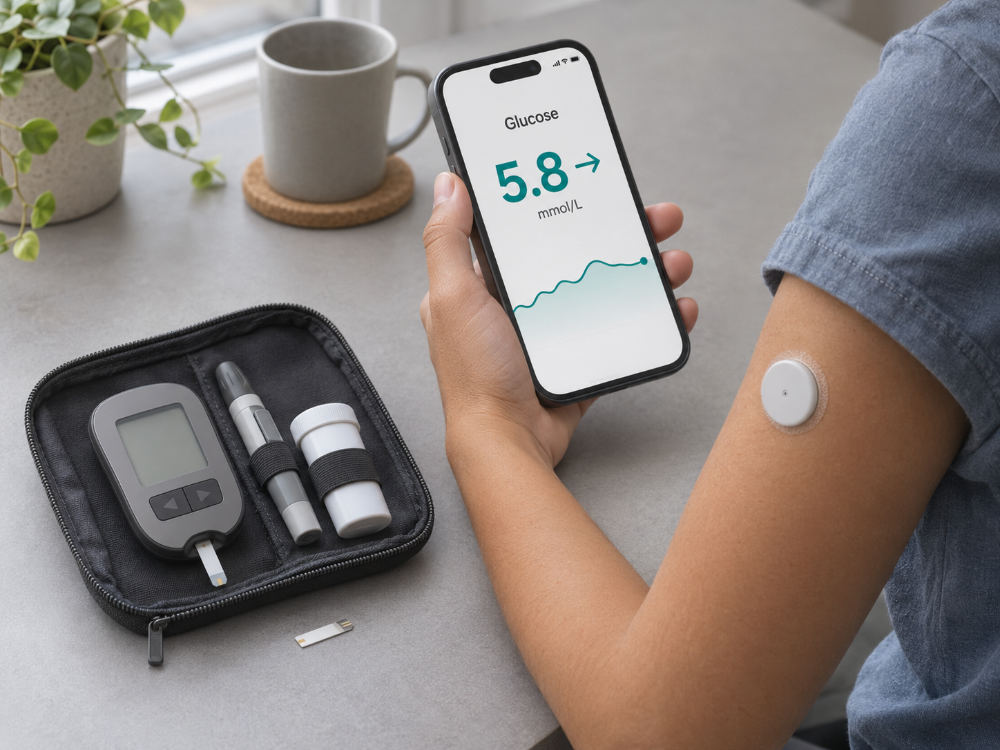
What can a glucose sensor tell you at a glance?

A finger-prick meter gives someone a reading at one moment. A wearable sensor can also show on their phone whether their glucose is rising, falling or holding steady. A designer has two things to consider here. Is the sensor comfortable to wear? Can someone understand the screen in a quick glance? Together, those details shape the user experience.

Work with people to design health & Medical products

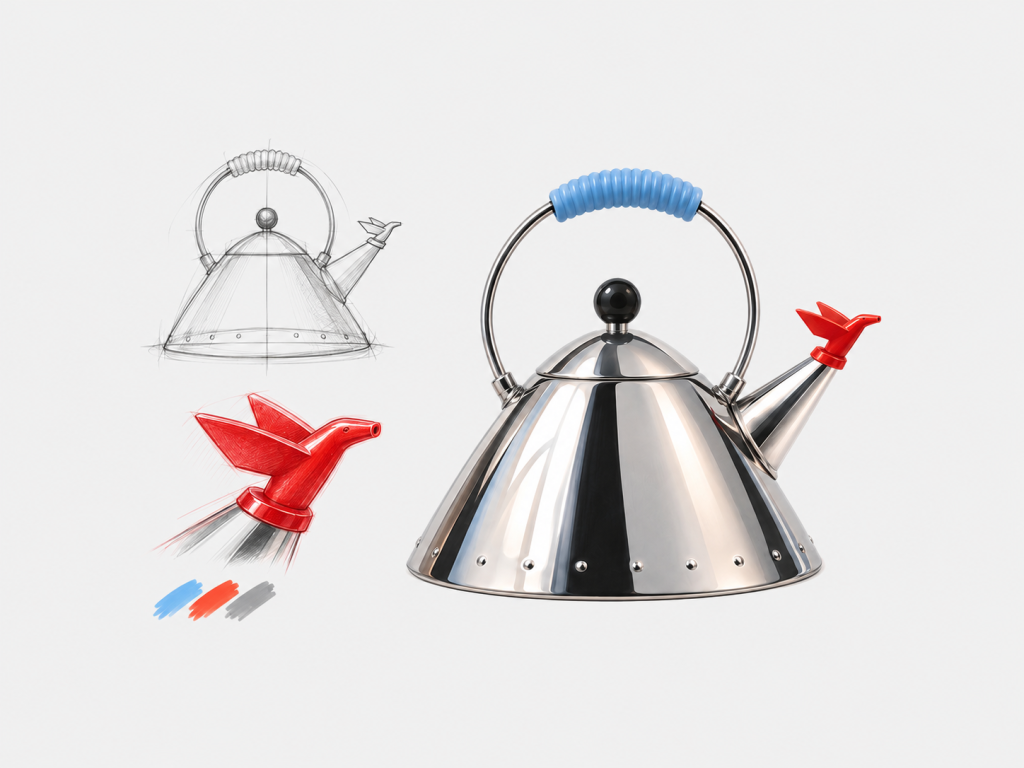
Why put a bird on a kettle?

When the water boils in Michael Graves’s Alessi kettle, the little red bird on the spout whistles. It lets you know the water is ready and makes an everyday kitchen object feel playful. In first year at SETU, you’ll explore how shape, colour and materials give a product its own character when you design and build a working light.

Use shape, colour and materials to give an everyday object personality

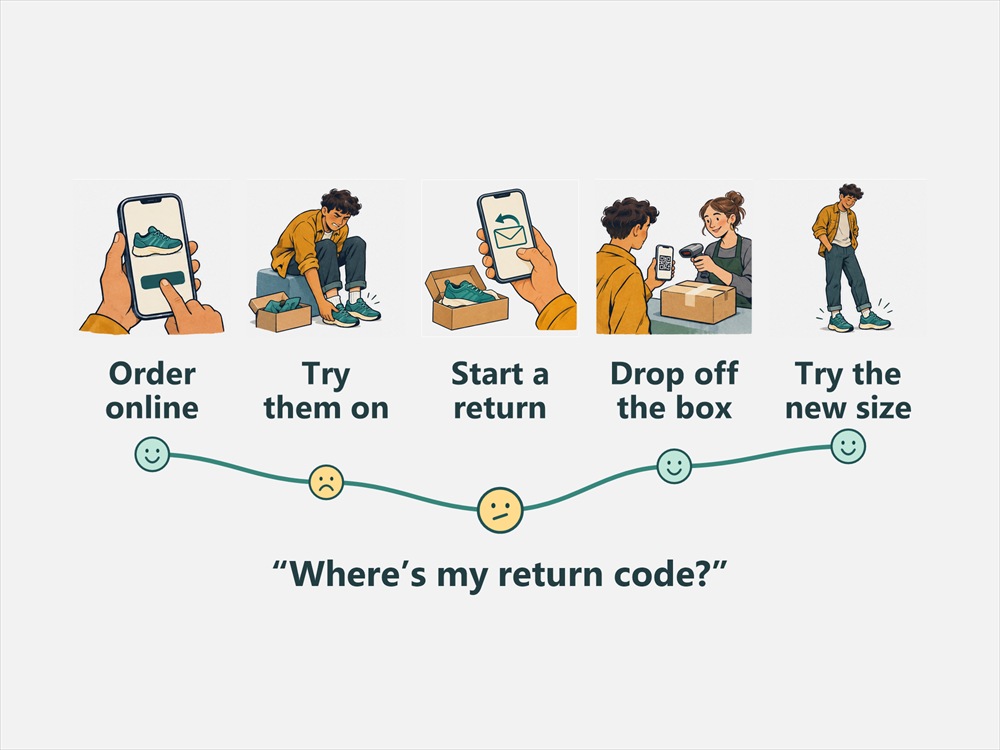
The runners don’t fit. How easy is it to swap them?

Buying the runners took two taps. Can swapping them for the right size be just as easy? A service designer looks at what happens for both you and the shop, from requesting a return to getting the new pair. In the studio, you will learn to map services and experiences like this and spot where someone gets stuck and try a simpler way.

Service design · Understand then redesign the step where things go wrong

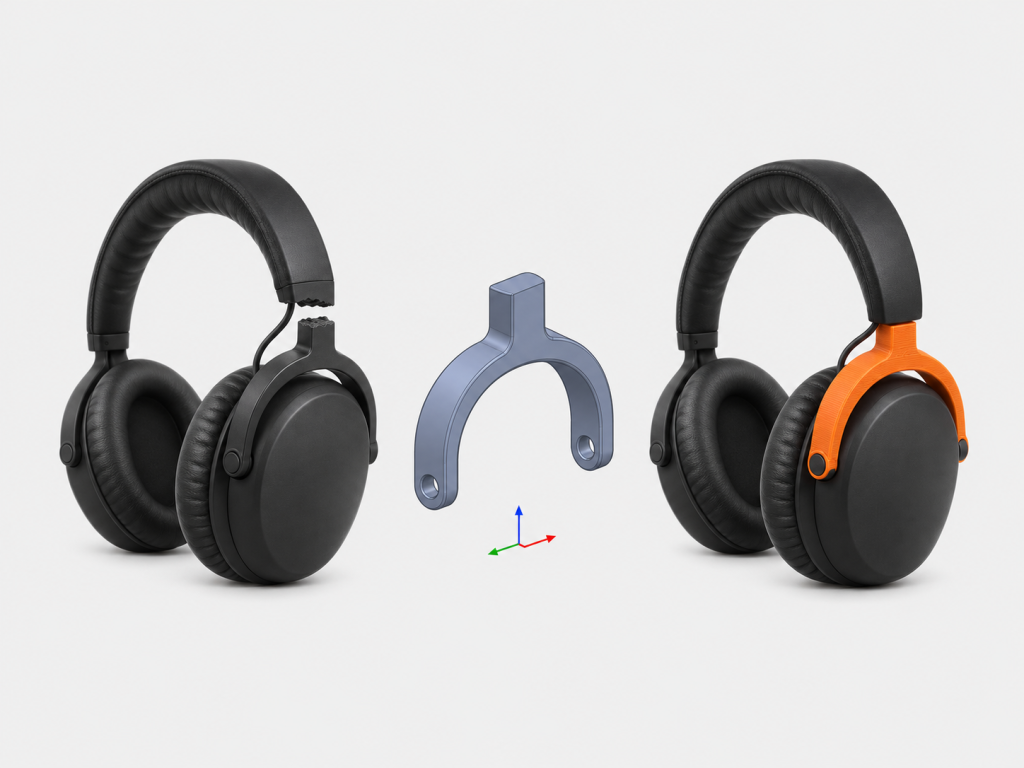
Could you design the part that saves your headphones?

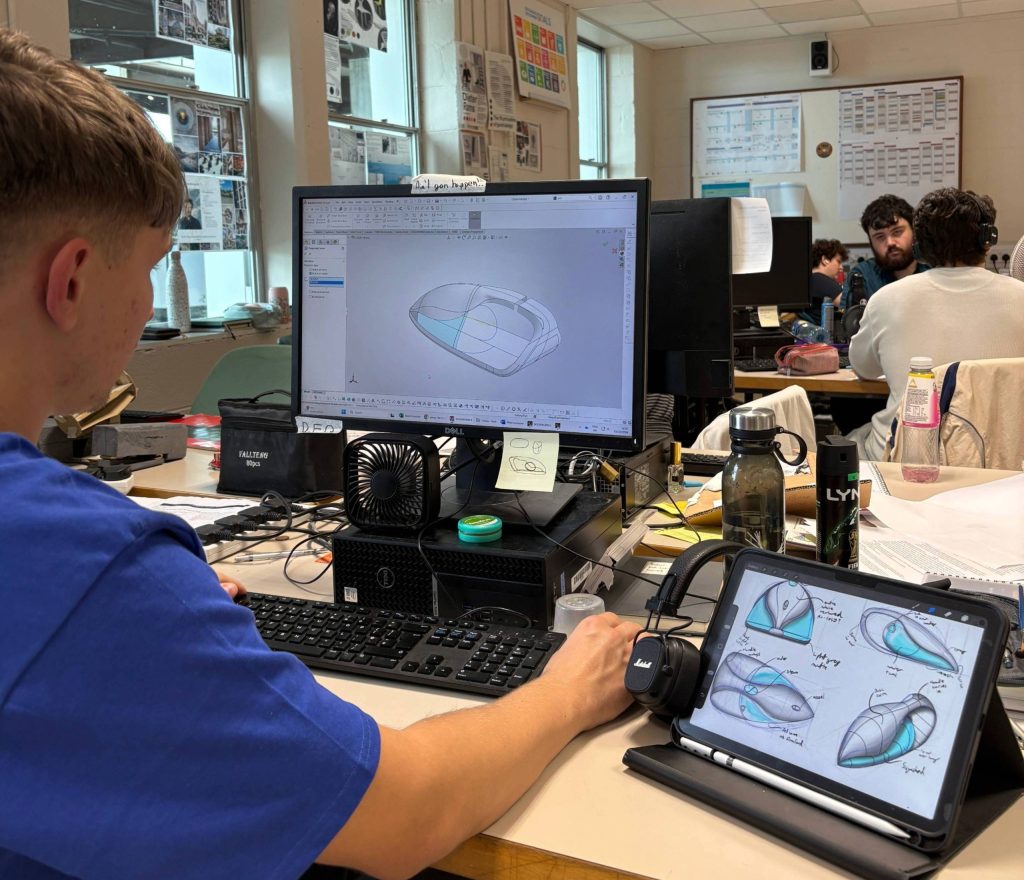
Your headphones still sound great, but the hinge has snapped. How would you make a replacement? In the studio, you could measure the broken part, build a 3D model on screen and print a version to try. If the ear cup catches when you tilt it, change the shape and print it again. That’s how a design engineer works out whether an idea fits and moves the way it should.

CAD & 3D PRINTING

What will you design at SETU?

In first year, you sketch ideas, design graphics, shape materials in the workshop and build digital models. You bring those skills together to design and make your own working light.

At the end-of-year exhibition, you can show your first sketch, explain what you changed and switch on the light you made.

The student experience

Inside the design studio

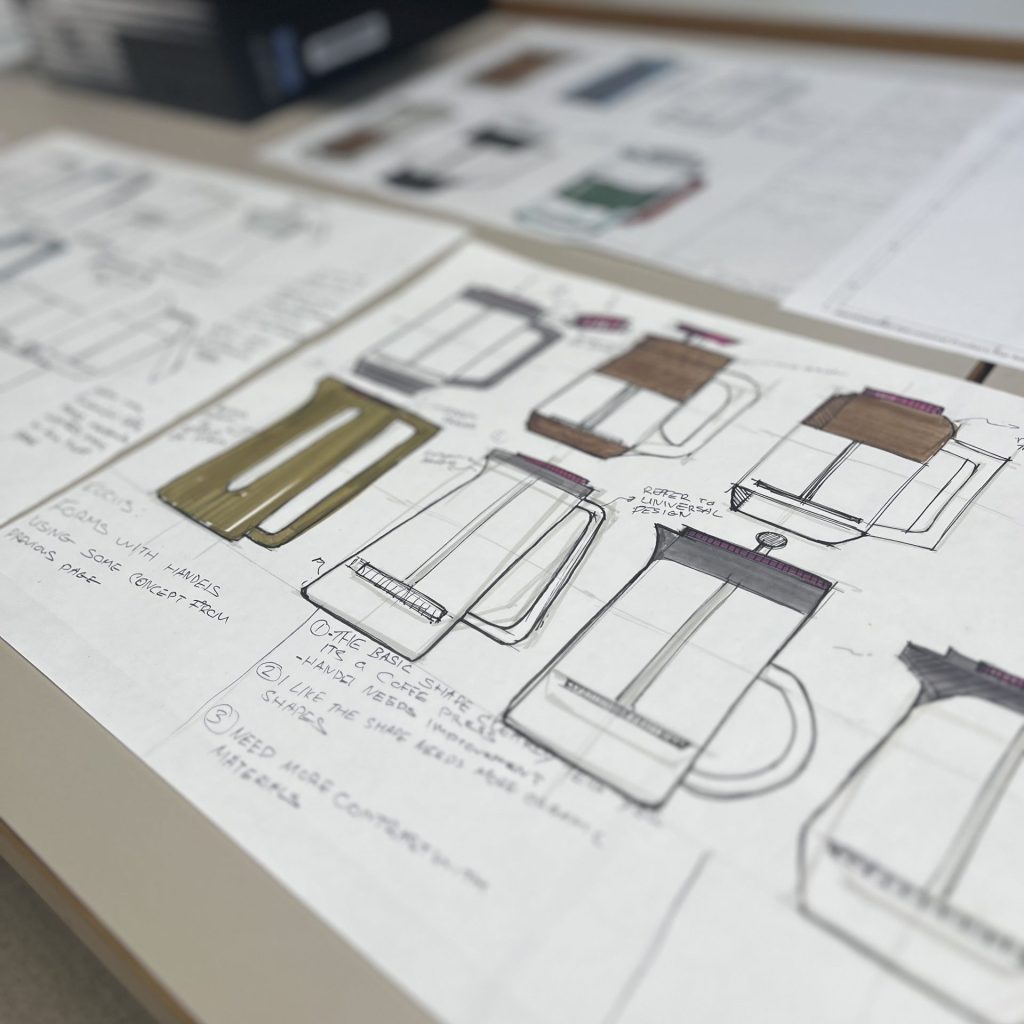
Follow an idea from a sketchbook to the workshop, then see what students put on show in Carlow.

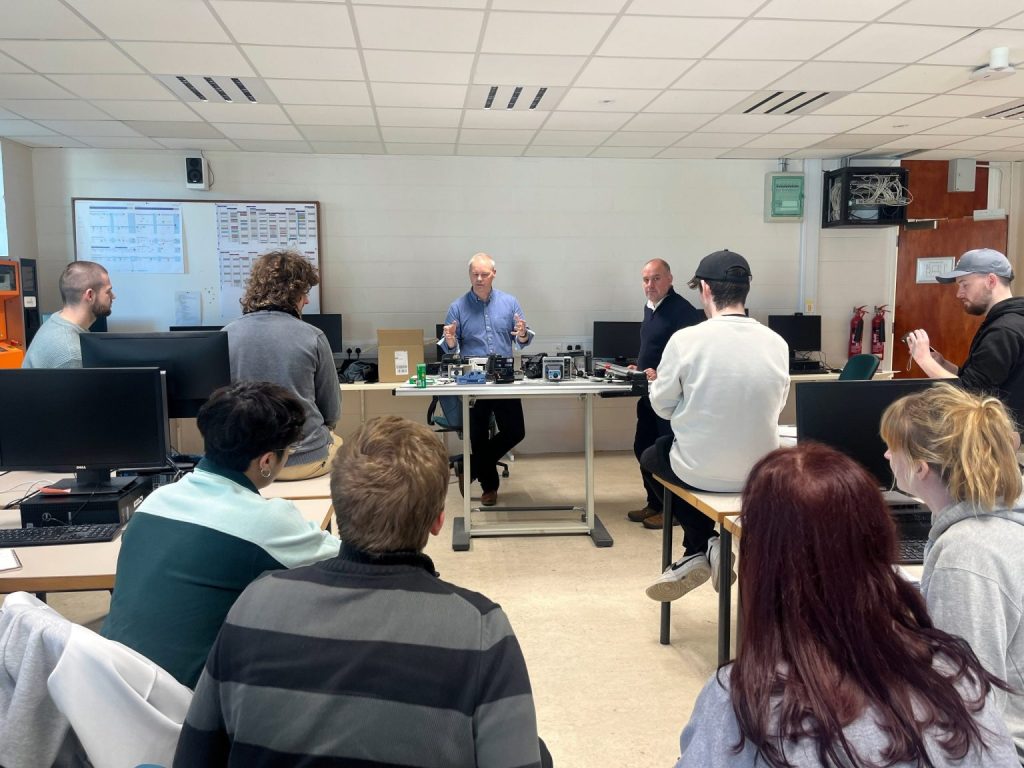
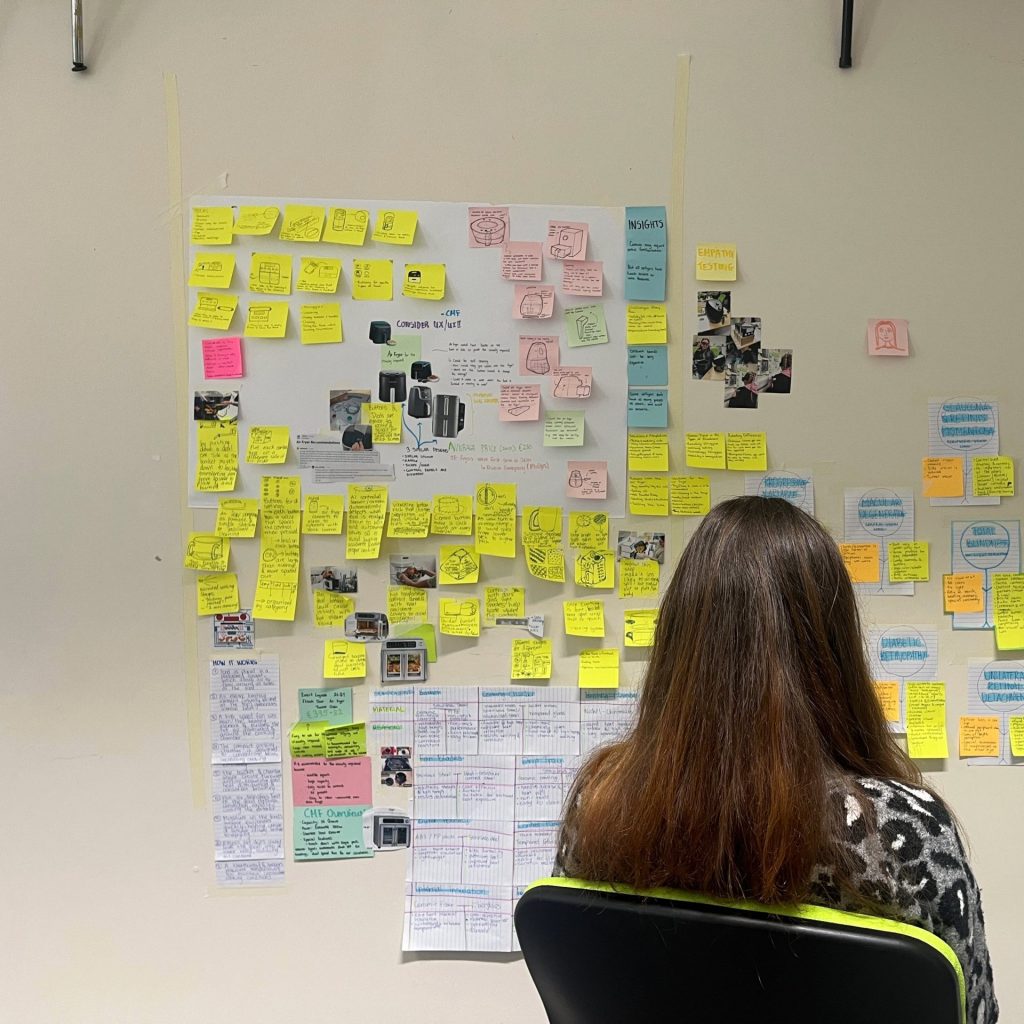
See how students learn to sketch, create, build and try out ideas, building their skills and design portfolios.

Each year has its own dedicated studio, with workshops, a 3D printing lab and staff office close by.

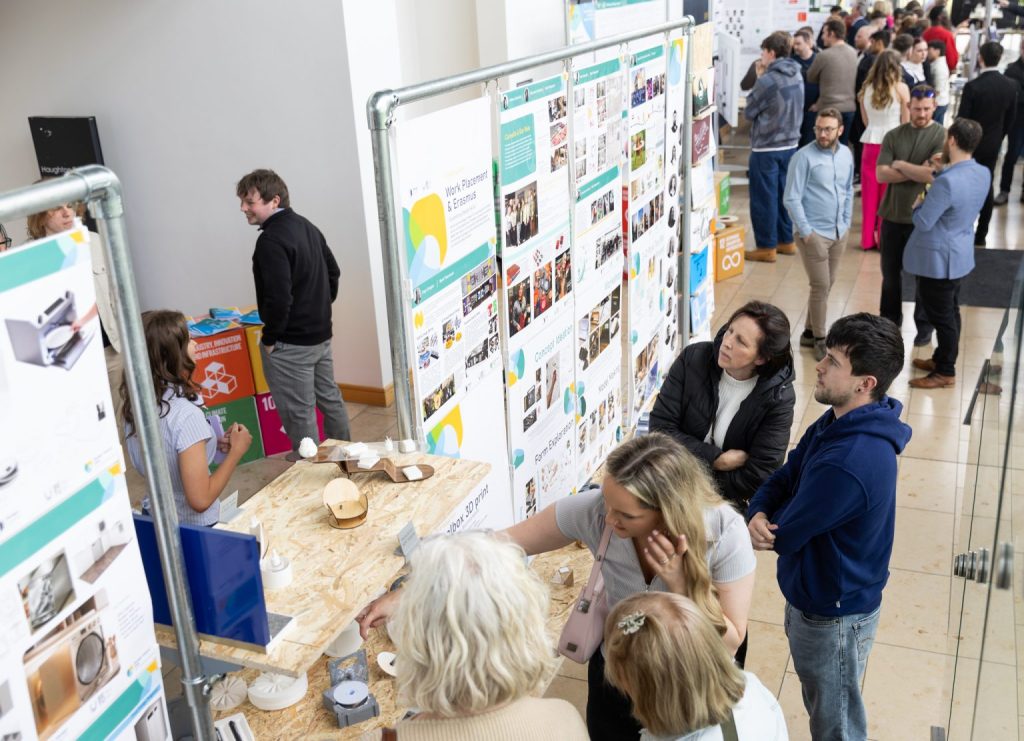
Explore our annual design exhibitions and see the projects students presented to the public and indsutry.

Why study in Carlow?

A Design Education Built On Real Foundations

Studying Product Design at SETU offers a distinctive undergraduate learning environment grounded in studio-based practice, applied design thinking, and real-world engagement.

Studio-Based Learning

Dedicated studios and prototyping spaces support hands-on learning from day one, helping students explore, test, and develop ideas.

Small Class Sizes

In a class of around 30, you get to know the people you design alongside. You can try out ideas together, share workshop skills and learn from each other’s projects.

Specialist Facilities

From 3D printing and digital modelling to workshop tools, students use dedicated facilities to prototype, test, and realise their ideas.

International Experience

In Year 3, students can pursue Erasmus+ exchange, an industry placement, or a live project work an studio with external partners.

Project-Led Learning

Real-world design challenges run across all years, building toward a self-directed final year project and professional portfolio work.

Design Since 1971

SETU Carlow has over five decades of applied design education, making it one of Ireland’s longest-running design programmes.

Continuous assessment, no exams

Your studio work is assessed through projects across the year. Your sketches, prototypes, presentations and portfolios show how your ideas develop.

Live industry projects

Work on a brief set with an industry partner. You can ask the people behind the brief questions, test your ideas and present a design that responds to their needs.

Get to know your lecturers

Regular studio time with your lecturers means they get to know you and your work. You can draw on their experience in UX and UI, medical devices, consumer products and industrial design.

The learning experience

How your skills grow

Year 1

Building confidence with sketching, rendering, materials, workshop, CAD research and design process.

Year 2

Creating realistic products that effectively balance form, function, and user needs through live industry projects.

Year 3

Design products and services informed by user research, testing, and critical evidence-based thinking.

Year 4 · Honours

Independent, research-led design practice operating at a professional level, focusing on user needs and innovation.

Graduate stories · Meet Claudia
“At its core, the degree focused on problem-solving, which is something I rely on every single day.”

Claudia Nevin  ·  Designer, CarveOn Leather

Claudia now works as a designer for CarveOn Leather, where she operates across multiple areas of the business, including new product development, graphics, printing, machine maintenance, engraving, photography, branding, and client communication.

Undergraduate degrees

Which route suits you?

Both courses share the same first three years in the studio. The L8 honours route adds a fourth year to develop your own major project. Students who enter the Level 7 programme can transfer to Level 8, subject to a review of their grades. Students on the Level 8 programme can also choose to graduate with a Level 7 degree after completing Year 3.

Level 7 · 3 years
CAO SE209

BA in Design

Develop your design practice through studio projects, with the opportunity to progress to Level 8.

Level 8 · 4 years
CAO SE202

BA (Hons) in Product Design Innovation

Take a project from research through to a finished prototype and build your professional portfolio.

SETU Podcasts

SETU CourseCast  ·  25 May 2026  ·  36 min

Design / Product Design Innovation

What do you actually do as a product design student? Hear how a brief becomes a studio project, what happens on placement and where the Level 7 Design and Level 8 Product Design Innovation courses can take you.

Programme Director Hilary Dempsey and Year 1 Coordinator Alan Grincell are joined by graduate Colm Marum and student Lisa Polytska.

Questions About Your Future in Product Design?

AI is changing how designers work. It can help us research, explore ideas, visualise possibilities, analyse information and develop concepts more quickly. At SETU Product Design, we see AI as another tool for designers to learn, use and question.

But good design does not start with a tool. It starts with people and problems. Designers need to understand who they are designing for, what people actually need and why a problem exists. That means talking to people, observing what they do, asking questions and working with them throughout the design process.

Then ideas have to leave the screen. Designers sketch, model, make and prototype. They test products with people, learn what works and what does not, and improve the design. An AI-generated image or CAD model might look convincing, but it cannot tell you everything about whether a product is comfortable, safe, manufacturable or useful in the real world. Physical prototyping and testing help us discover things we cannot always understand on a screen.

The skills designers need will keep changing. The World Economic Forum estimates that 39% of workers’ existing skill sets will be transformed or become outdated by 2030. AI and big data are among the fastest-growing skill areas, but creative thinking, analytical thinking, curiosity, adaptability and lifelong learning are also becoming increasingly important (World Economic Forum, 2025). The same research found that many skills involving physical activity, judgement and human interaction currently have low potential for substitution by Generative AI (World Economic Forum, 2025).

This matters for Product Design. Ireland’s Design 2035: Pathways to the Future describes a profession becoming more strategic as AI and other technologies develop, while continuing to value human understanding, judgement and collaboration (Institute of Designers in Ireland, 2026). Designers will increasingly work with people from different disciplines and backgrounds to tackle problems that cannot be solved by one person or one technology alone. The Design Council makes a similar point, describing design as moving from understanding people’s needs and identifying opportunities through to developing, delivering and improving real-world solutions (Design Council, 2026).

So, we are not preparing students to compete with AI. We are preparing designers who know how to work with it — and who know when to step away from it.

The tools will change. What matters is learning how to understand people, ask good questions, think creatively, make ideas tangible, test them in the real world and keep learning as technology changes.

 –

References

Design Council UK (2026) Design Economy 2026: Driving Good Growth across the UK. London: Design Council.

Institute of Designers in Ireland (2026) Design 2035: Pathways to the Future. Dublin: Institute of Designers in Ireland.

World Economic Forum (2025) The Future of Jobs Report 2025. Geneva: World Economic Forum.
Yes. A useful way to think about Product Design is that it brings together creative thinking and technical problem-solving.

If you are interested in Engineering, you might enjoy understanding how things work, how parts fit together, what materials to use and how something can actually be manufactured.

If you are interested in Architecture, you might also be drawn to people, form, materials, visual thinking and the process of turning an idea into something real.

Product Design brings those ways of thinking together, but focuses on the products, experiences and systems people interact with every day.

A Product Design project might start by understanding a person or a problem. You then explore different ideas, sketch, make models, develop CAD, choose materials and build prototypes. Eventually, you need to answer both creative and technical questions: Does it solve the problem? Does it feel right to use? Will it work? Can we make it? How should it be manufactured?

That balance is central to Product Design at SETU. The course combines visual thinking and creativity with problem-solving, technology, making and technical development. As projects develop, students also work with materials, manufacturing, production drawings, assembly and costing to understand how an idea could become a real product.

The design profession increasingly needs this combination. Ireland’s Design 2035: Pathways to the Future identifies creativity, strategy and technological capability as important alongside specialist design knowledge, while emphasising that designers increasingly work across disciplines to solve complex problems (Institute of Designers in Ireland, 2026). This reflects the direction already built into Product Design: thinking creatively about what could be possible, while developing the technical understanding to make it work.

So you do not have to decide whether you are an “art person” or a “technical person.” Product Design needs both.

If you enjoy asking how something could work better, and then want to design, make and test your own answer,  Product Design may be worth exploring.

 –

References

Institute of Designers in Ireland (2026) Design 2035: Pathways to the Future. Dublin: Institute of Designers in Ireland.

CAO points can sometimes make a course look more or less difficult than it really is. But points are not a measure of the quality, standard or difficulty of a degree. They are the result of supply and demand – how many places are available, how many students apply and the points achieved by those applicants in that particular year. The final cut-off is simply the points score of the last applicant offered a place.

That is why points can change from year to year even when the course itself has not changed. The CAO recommends choosing courses in your genuine order of preference rather than trying to predict points (Central Applications Office, 2026).

At SETU Product Design, we also do not require a portfolio for entry. That is deliberate.

We do not expect you to arrive already knowing how to be a Product Designer. You might come from Art or DCG, but you might be just as interested in Engineering, Technology, Construction, making things, solving problems or understanding how products work. None of these subjects is required for entry.

A portfolio can show skills you have already had the opportunity to develop. We are more interested in what you can learn next. Curiosity, creativity, problem-solving and a willingness to make, test and improve ideas can come from many different backgrounds.

The first years of the course are designed to teach the core skills and processes of Product Design. Students learn to sketch, research, use CAD, work with materials, make models and prototypes, understand manufacturing and develop ideas through projects. You build those skills as you progress through the course.

So lower CAO points should not be read as a sign that Product Design is an easier degree, and not having a portfolio does not mean creative ability is unimportant.

Our approach is simple: you do not need to arrive as a designer. You come here to learn how to become one.

–

References

Central Applications Office (2026) CAO Applicant Guidance and Course Choices. Galway: Central Applications Office.

Yes. There is no single way to think like a designer.

Product Design includes reading, writing and some numerical work, but it is also highly visual, practical and project-based. You will learn through sketching, discussion, research, CAD, model making, prototyping, testing and presenting ideas.

Different students approach problems in different ways. Some think visually. Some understand ideas better by making something. Others work through discussion, diagrams, models or step-by-step testing. Product Design gives you different ways to explore and communicate an idea.

What matters is being curious, willing to learn and interested in understanding people and solving problems. You do not need to think, learn or communicate in exactly the same way as everyone else to become a good designer.

If you have dyslexia, dyscalculia, ADHD, autism or another learning difference, there are also supports available through SETU. Depending on your individual needs, these can include assistive technology, learning support and examination accommodations.

AHEAD also reports that students with disabilities study across all areas of Irish higher education and advises students not to let a disability or specific learning difference unnecessarily limit their choice of course (AHEAD, 2026).

Product Design is about understanding problems, developing ideas, making things, testing them and learning from what happens. There are many different ways to be good at that.

–

References

AHEAD (2026) Choosing a Course. Dublin: AHEAD.

South East Technological University (2026) Disability Support Services.

Visit us in Carlow

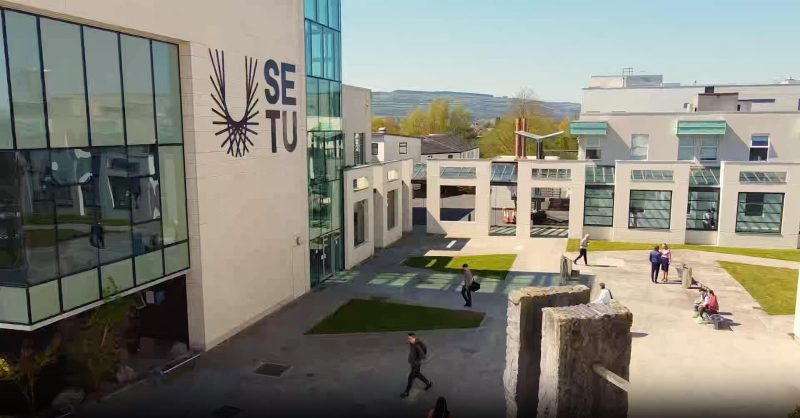
Come to a Carlow open day to see the studios, meet the team and ask what it’s like to study Product Design here.

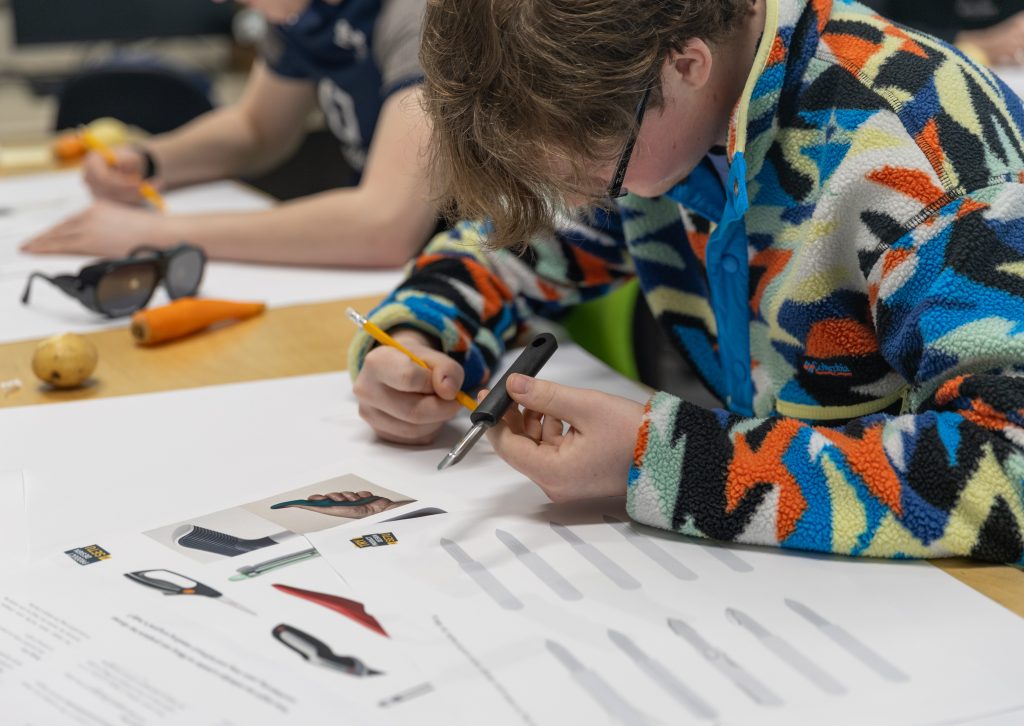
Try Product Design

Spend a morning in the Carlow studio and try a design brief for yourself. In our Design for Dexterity workshop, you test a kitchen utensil with simulation gloves, sketch a more comfortable grip and make a quick model to try in your hand.

Design Carlow on Instagram

Curious about what students are making? Follow the course on Instagram for a look at sketchbooks, models on the workbench and projects from our exhibitions.